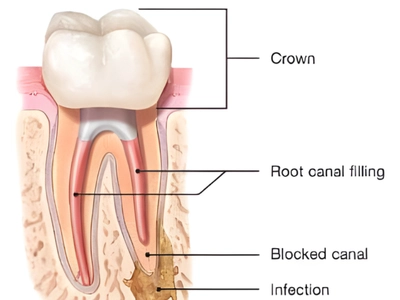
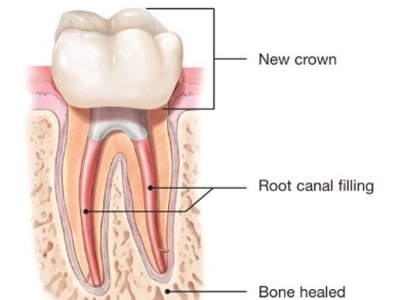
During retreatment, the endodontist will reopen your tooth and remove the filling materials that were placed in the root canals during the first procedure. The endodontist then carefully examines the tooth, looking for additional canals or new infection. The endodontist then removes any infection, cleans and shapes the canals, and places new filling materials. The opening is then sealed with a temporary filling. The tooth should then be restored with a more permanent restoration to seal and protect it. In some cases the endodontist may be the one to seal the tooth more permanently in preparation for the general dentist to place a crown.
With proper care, you’ll keep teeth that have had root canal treatment for a lifetime but it’s possible for those teeth to heal improperly, becoming painful or diseased months or even years after treatment. If this happens to your treated teeth you have a second chance to save the tooth with retreatment. An additional procedure may be able to diminish dental pain or discomfort and promote healing. If you suspect a tooth that had a prior root canal requires retreatment, visit your dentist or endodontist for evaluation.
Why do I need another endodontic procedure?
As with any dental or medical procedure, it’s possible your tooth won’t heal as expected after initial treatment for a variety of reasons, including:
Narrow or curved canals were not treated during the initial procedure.
Complicated canal anatomy went undetected in the first procedure.
The placement of the crown or other restoration was delayed following the endodontic treatment.
The restoration did not prevent salivary contamination to the inside of the tooth.
Why do I need another endodontic procedure?
A new problem can also jeopardize a tooth that was successfully treated, such as:
New decay can expose the root canal filling material to bacteria, causing a new infection in the tooth.
A loose, cracked or broken crown or filling can expose the tooth to new infection.
A tooth sustains a fracture. During retreatment, the endodontist will reopen your tooth and remove the filling materials that were placed in the root canals during the first procedure. The endodontist then carefully examines the tooth, looking for additional canals or new infection. The endodontist then removes any infection, cleans and shapes the canals, and places new filling materials. The opening is then sealed with a temporary filling. The tooth should then be restored with a more permanent restoration to seal and protect it. In some cases the endodontist may be the one to seal the tooth more permanently in preparation for the general dentist to place a crown.
Frequently asked questions about
Endodontic Retreatment
Is retreatment the best choice for me?
When it’s possible, saving your natural tooth is usually the goal, and many retreated teeth can stay functional for many years. Your endodontist may be able to fix the problem by re-treating the tooth—often using newer tools and techniques that weren’t available during your first root canal.
That said, no procedure comes with a guarantee. Before starting, your endodontist will review your options and explain the expected outlook and likelihood of success for your specific tooth.
What are the alternatives to retreatment?
If nonsurgical retreatment isn’t possible, your endodontist may recommend endodontic surgery (often an apicoectomy), which involves a small incision to reach the tip of the root and treat the area directly. Surgery may also be used along with retreatment or instead of it, depending on what’s causing the problem.
Serving Bedford, NH & nearby communities
We’re proud to care for patients in Bedford and surrounding communities in southern New Hampshire
We are located in Bedford, New Hampshire. Visit us at 206 Riverway Place, just off Route 3. You’ll find us in a professional office setting with plenty of free parking available.
206 Riverway Place, Building 2 Bedford, NH. 03110
Monday - Friday: 9 AM - 6 PM Saturday: appointment only